
Niger-Congo · Benue-Congo
Tarok
Also known as Yergam
An agrarian people of the southeastern plains around Langtang, and a Benue-Congo language holding its ground in Chadic-speaking country.
History
The Tarok live in the hills and on the plains of southeastern Plateau State. Their principal town, Langtang, lies about 186 kilometres southeast of Jos — this is a long way off the Jos axis, and a visit needs planning and an overnight stay.
The Tarok are an amalgamation rather than a single origin, drawing constituents from the Pe, Ngas, Jukun, Boghom and Tel (Montol), and possibly the Tal.
Their language is Benue-Congo, and linguists describe it as almost completely submerged in a sea of Chadic languages — an island of one family inside another.
Christianity is dominant, but the ancestral cult of the orim remains central. The orim are represented by initiated men and by post-menopausal women, and sacred groves are kept outside the settlements.
Dress
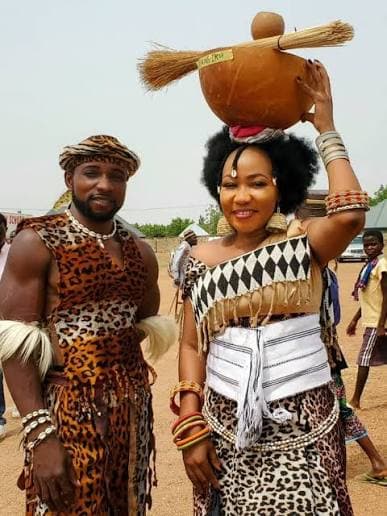
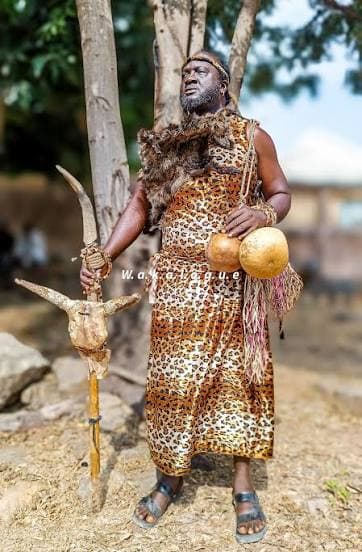
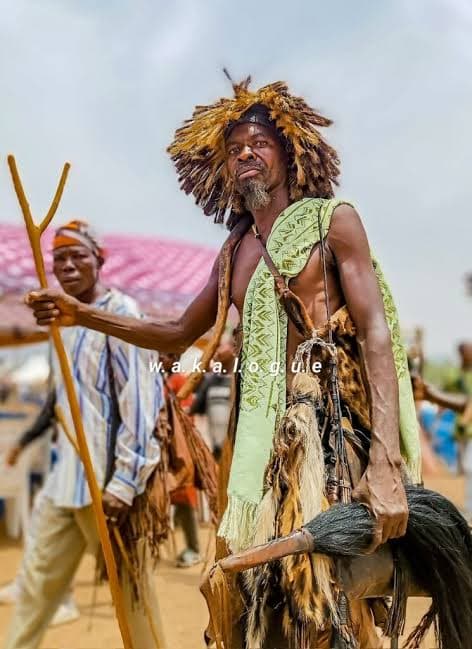
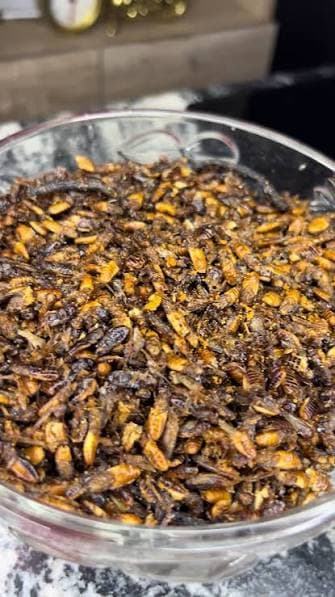
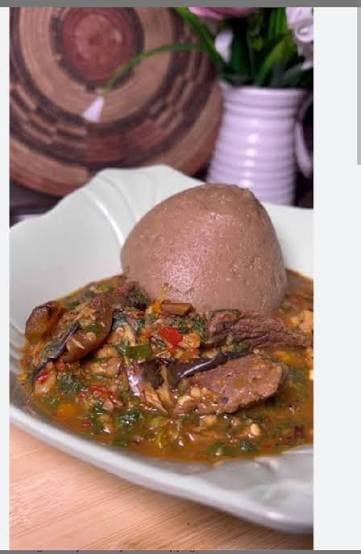
We hold photographs of Tarok dress but no description we would stand behind in writing yet. The pictures are below; the words are still owed.
Food
Dance
No Tarok dances are on record here yet.
Pictures
Sources
- Tarok people — Wikipediaread 2026-08-27
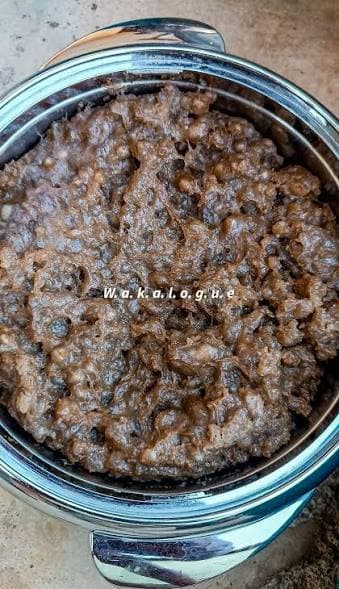
Still missing from this record: dress, food, dance. The published material on the Tarok is thin in these areas, and filling the gaps means asking people rather than reading more.