
Afro-Asiatic · Chadic
Ngas
Also known as Angas
Farmers of the southeastern edge of the Plateau, who terrace granite country around Pankshin and close their farming year with Pusdung.
History
The Ngas live on the lowlands and the southeastern edge of the Jos Plateau, with Pankshin as their principal town, and are settled across four areas: Pankshin, Ampang, Amper and Kabwir.
Ampang is hills and ridges; the plains at Amper carry granite boulders that are quarried for building. Farming is terraced, and the crops are millet, guinea corn and maize.
Alongside Pusdung, the Ngas keep the harvest festival Tsafi Tar, also called Mos Tar, which includes the observance known as Shooting the Moon and marks the turn of the season.
Traditional belief persists beside Christianity, notably tuput, in which a person who has died following particular rites may return within two days.
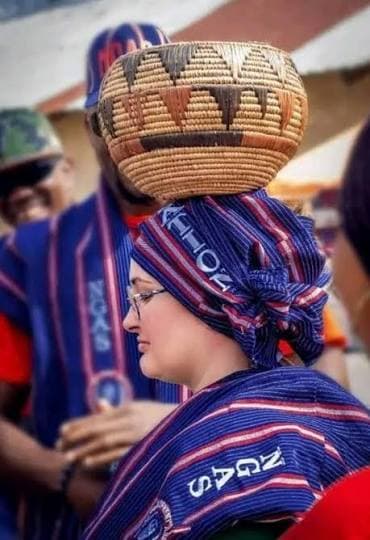
Dress
We hold photographs of Ngas dress but no description we would stand behind in writing yet. The pictures are below; the words are still owed.

Food
Dance
Pictures
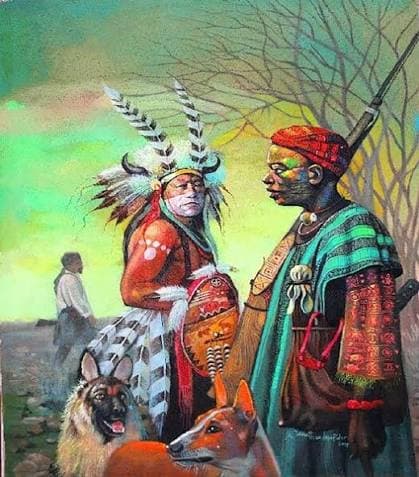
Sources
- Angas people — Wikipediaread 2026-08-27
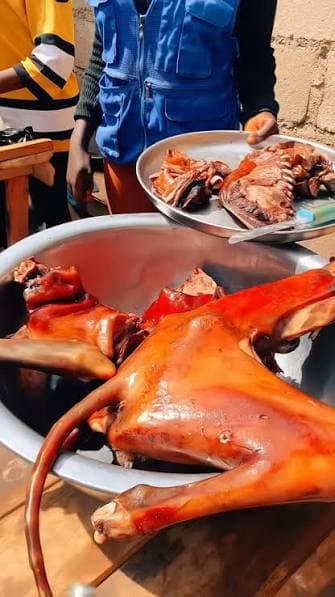
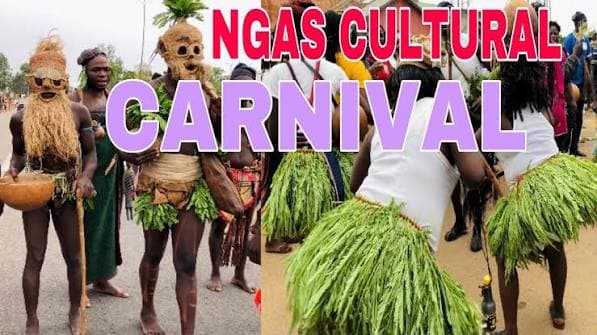
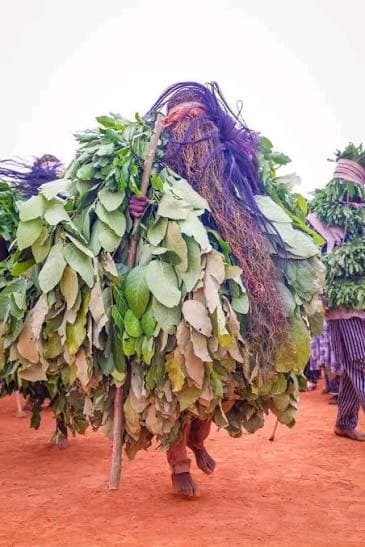
Still missing from this record: dress, food, dance. The published material on the Ngas is thin in these areas, and filling the gaps means asking people rather than reading more.