
Afro-Asiatic · Chadic
Mwaghavul
Also known as Sura, Mwaghuvul
The people of Mangu, whose Puus Kaat opens the planting season and calls the whole nation home, from Plateau and from the diaspora.
History
The Mwaghavul are the principal indigenous group of Mangu Local Government Area.
Puus Kaat translates as a day of gathering for Mwaghavul sons and daughters both at home and in the diaspora, and is regarded within the Mwaghavul nation as the mother of all its festivals.
The first Puus Kaat Festival of Art and Culture was organised in Mangu in 1987 by the Mwaghavul Development Association under Chief Barr. Danjuma Maina. It marks the opening of the planting season and asks for rain and a good harvest.
Dress
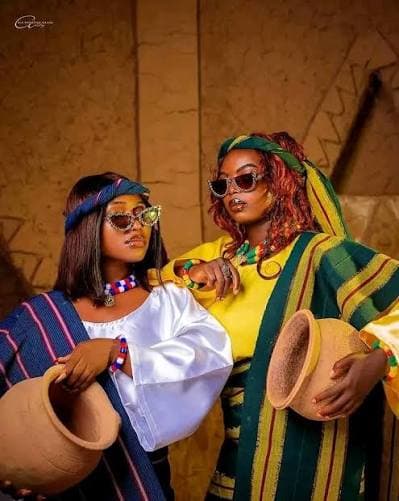
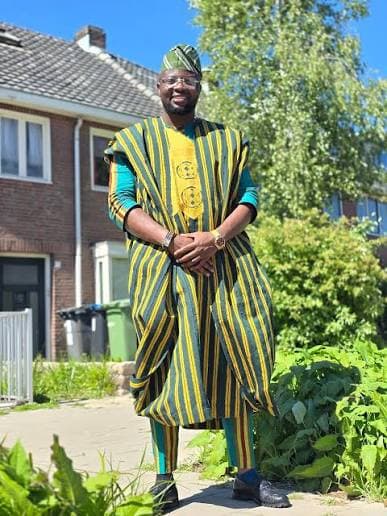
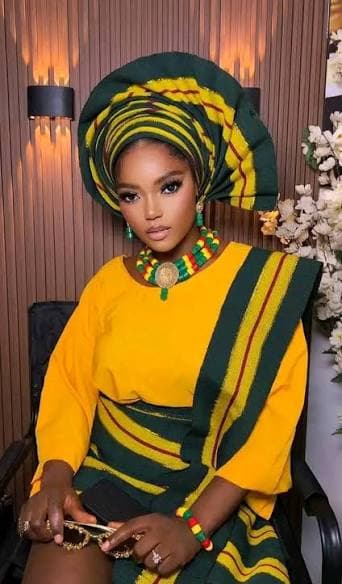
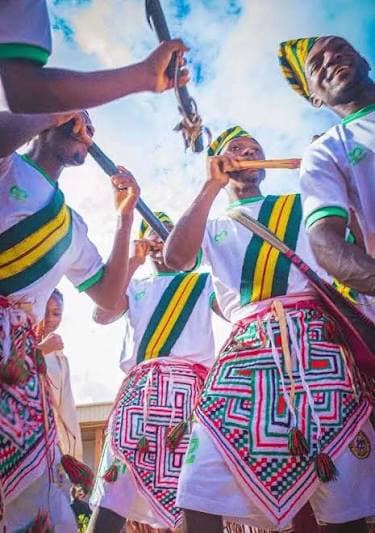
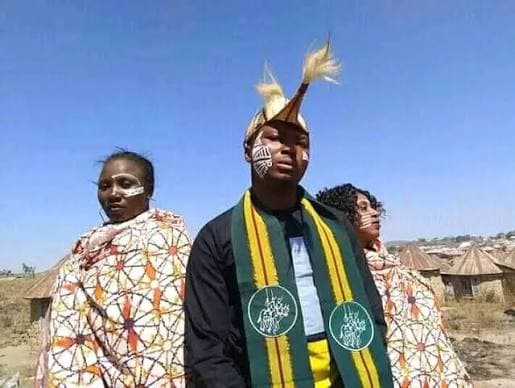
We hold photographs of Mwaghavul dress but no description we would stand behind in writing yet. The pictures are below; the words are still owed.

Food
Dance
Pictures
Sources
- Mwaghavul language — Wikipediaread 2026-08-27
- Puus Kaat — Mangu LGAread 2026-08-27
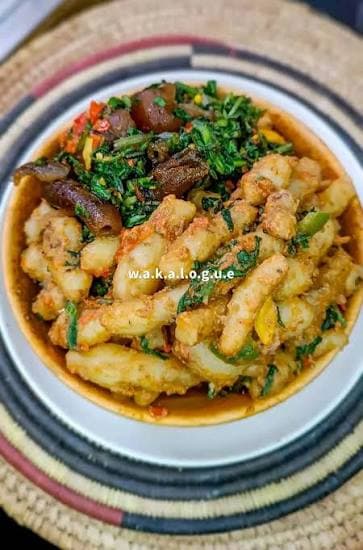
Still missing from this record: dress, food, dance. The published material on the Mwaghavul is thin in these areas, and filling the gaps means asking people rather than reading more.